
IVBN: Calm in politics, dynamism in the country
This column was originally written in Dutch. This is an English translation.
Speed and stability are key words in the formation of the cabinet. This offers opportunities: the calm of a stable cabinet provides scope to look beyond numbers and work on solutions that will structurally improve the housing market.
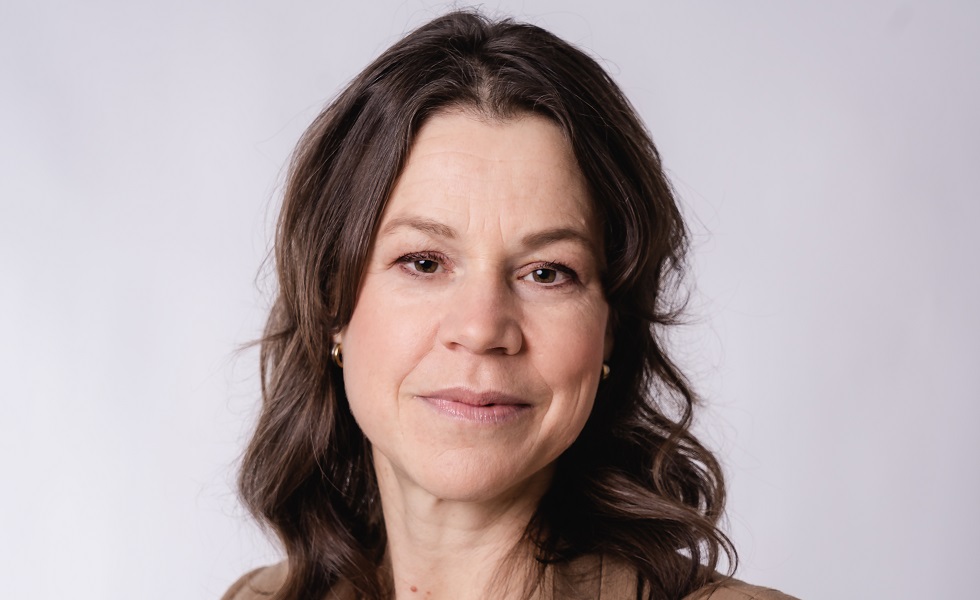
By Judith Norbart, Director, IVBN
The debate on housing is often dominated by figures: how many homes are needed, in which segments, and at what price? But building is not just a matter of adding up bricks and mortar; it is the foundation for living together. Now, with election promises still fresh in our minds and the formation of a new government in full swing, we must ask ourselves: what kind of society do we want to build?
Housing construction is not only a technical or financial challenge, but also an opportunity to opt for liveable neighbourhoods, social cohesion, biodiversity and climate resilience. Every neighbourhood that is not built now is a missed opportunity for families to have a home, for people to know each other in their neighbourhoods, and for young people to have a future. If we remain stuck in political deadlock, we will pay the price in the form of loneliness, inequality of opportunity and an ever-widening gap between dreams and reality.
Stability as a silent driving force
Stable and predictable policy is indispensable. “Boredom” in politics is the silent engine behind sustainable area development. It gives developers, investors and municipalities the certainty they need for long-term investments in inclusive and future-proof living environments. Calm in The Hague creates dynamism outside it. After all, stability does not mean stagnation, but a clear course with room for improvement where necessary.
The elections are now a few weeks behind us. Promises of many more homes were made in all the campaigns, but now that the formation of a new government is beginning and the political cards are being reshuffled, there is a high risk that implementation will be delayed again. However, this is not the time to reinvent the wheel or get bogged down in endless formation discussions. What is needed now is the courage to choose what really works: a stimulating investment climate, the removal of rules that stand in the way of housing construction, and the promotion of practical solutions. The government, the market and society must work together on what is important and necessary: feasible and affordable neighbourhoods and cities in which liveability, sustainability, affordability and connectedness are central.
The price of stagnation
In doing so, let the housing challenge be above all a story of progress and connection. In this way, we are not only building homes, but also neighbourhoods and cities where people feel at home and where society becomes stronger.
In addition to the damage caused when a project is delayed, perhaps the greatest damage is that we lose coherence: between policy and implementation, between bricks and people, between building and managing. That is where the real risk lies: that we lose sight of the bigger picture.
Stability as a basis for speed
Calm, reliable policy is not a brake on ambition or stagnation, but rather the foundation on which trust, quality and long-term impact can grow. With calm in The Hague, construction dynamics in the country are back on the agenda. By offering certainty to everyone who builds, invests and manages, we are laying the foundation for neighbourhoods and cities that will last for generations.
The Netherlands needs speed in the formation of a government and stability in the coalition. The parties forming the government now have the opportunity to offer that decisiveness and calm. Because predictability in The Hague means dynamism in the country to build the future.