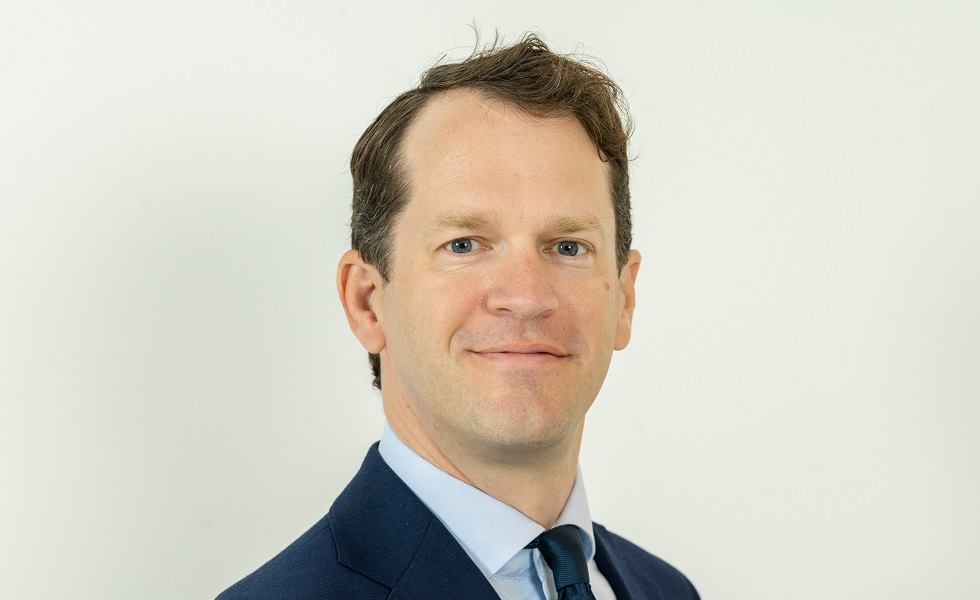
Marc van Voorst tot Voorst: Make the Netherlands the European biotech hub!
This column was originally written in Dutch. This is an English translation.
In December, the European Commission presented the EU Biotech Act, which aims to strengthen Europe's competitiveness and consolidate its position as a global leader in biotechnology. Biotech is not only crucial for new treatments and vaccines, but also contributes substantially to economic growth and employment.
By Marc van Voorst tot Voorst, Head of Public Affairs at Forbion
Former ASML CEO Peter Wennink published his report on how the Netherlands can maintain its innovative strength and prosperity that same month. His message was clear: focus on the four core sectors in which we excel. One of those four sectors is biotech and life sciences. And he is right. Within Europe, the Netherlands is a key player in the development of medicines, vaccines, cell and gene therapies, and even solutions for food and agriculture. That is no coincidence. We have the right mix of top universities, R&D facilities, venture capitalists, a highly educated workforce and innovative cities. The Netherlands can become the biotech hub of Europe, but that requires political choices. Now is the time to make them.
Invest in talent: Biotech is all about knowledge. Specialised talent is scarce and Dutch education programmes are not yet sufficiently aligned. Therefore, invest in retraining and entice international researchers to settle here. Brexit and stricter American visa rules offer opportunities. Seize them.
Strengthen infrastructure: The Netherlands has strong knowledge institutions, but the transition from academic innovation to application in the business world needs to be improved. Strengthen the infrastructure by building specialised laboratory spaces, clinical testing capacity and flexible production capacity. This will ensure we remain relevant.
Accelerate and harmonise regulations: The European regulatory landscape is a patchwork quilt. This hinders innovation and slows down growth. The Netherlands is doing well, but procedures remain slow. The solution is a single point of contact, regulatory testing grounds and early cooperation with regulators. The less bureaucracy, the more innovation.
Ensure access to innovative medicines: The Netherlands sometimes opts for delay: medicines are only used once their patents have expired. This results in lower life expectancy and poorer survival rates for cancer. Therefore, look at value, not just price. Healthy people contribute to a strong economy.
Build a mature European market: The Netherlands can only flourish within a strong Europe. New medicines still come onto the market first in the US, because higher prices are paid there and investments yield a faster return. European biotech innovation is therefore indirectly financed by America. As a result, European start-ups are moving to America and we are becoming dependent on China and the US. Keeping innovative companies here and allowing them to grow generates direct value. For the Netherlands as a whole, because companies are based here, invest here and have Dutch shareholders. For employees, because of the high-quality jobs on offer. For the treasury, because medicines sold worldwide by Dutch companies are taxed here. For suppliers, because of the knowledge development and orders in the chain. Anyone who wants a strong economy and independence from medicines must be prepared to invest in innovation. Just as we do for defence.
More capital for start-ups: Innovation in biotech and life sciences costs billions. Start-ups are dependent on venture capitalists. The Netherlands is home to three of Europe's leading biotech investors, but raising capital for smaller investors is becoming more difficult. Pension funds in the US invest up to 100 times more in venture capital than European ones. Therefore, encourage pension funds and insurers to invest more in venture capital. This will enable start-ups in the Netherlands to find financing.
The Netherlands has everything it needs to remain the biotech hub of Europe. But that will not happen by itself. It requires courage and political choices. Biotech is not a side issue, but a strategic pillar for our health, prosperity and autonomy. The choice is now.
Read the original column in Financial Investigator magazine